
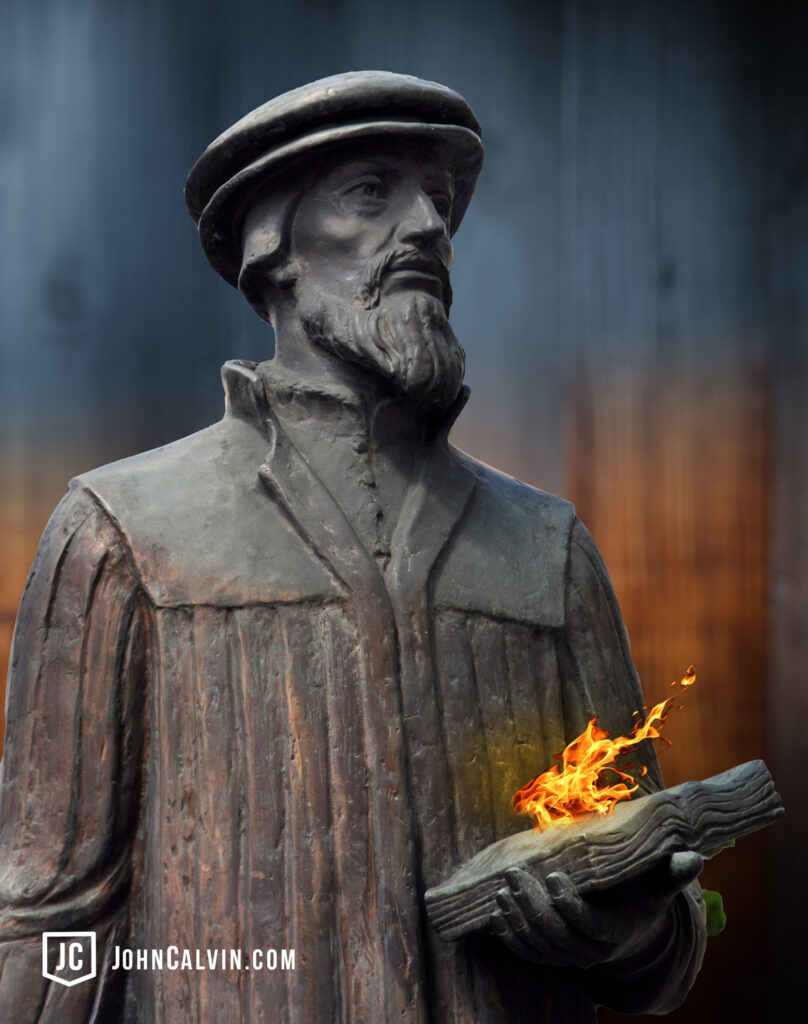
A NEW AWAKENING
John Calvin’s sermons, letters, and commentaries ignited the fires of revival burning in Geneva, London, Paris, Edinburgh, and shortly after, the shores of America. His teachings helped forge a new nation and boldly proclaimed the gospel of Jesus Christ to a dark world desperate for its light.
John Calvin’s Life & Legacy
John Calvin’s Written Work
John Calvin’s Life In Geneva
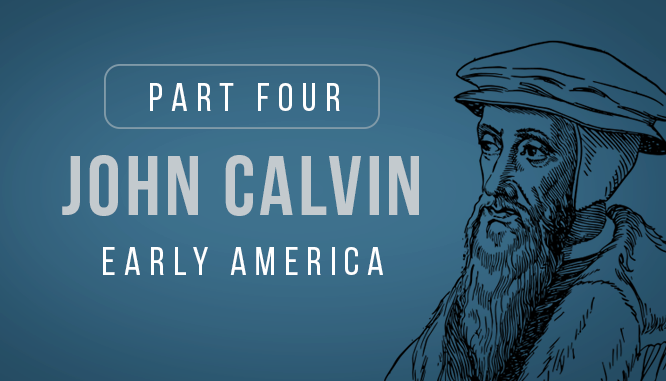
John Calvin & Early America
John Calvin & Pre-Revolutionary War America
The Five Doctrines of Grace
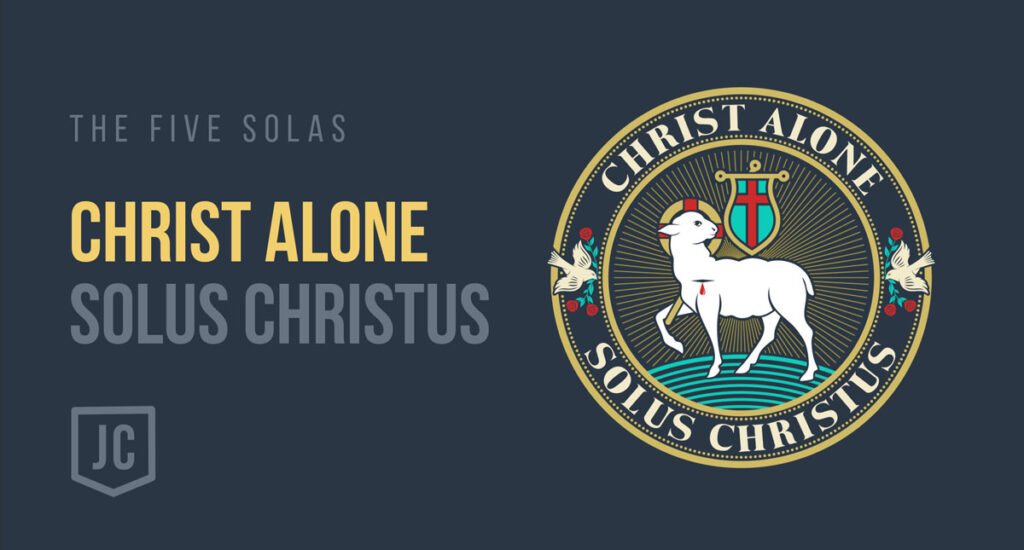
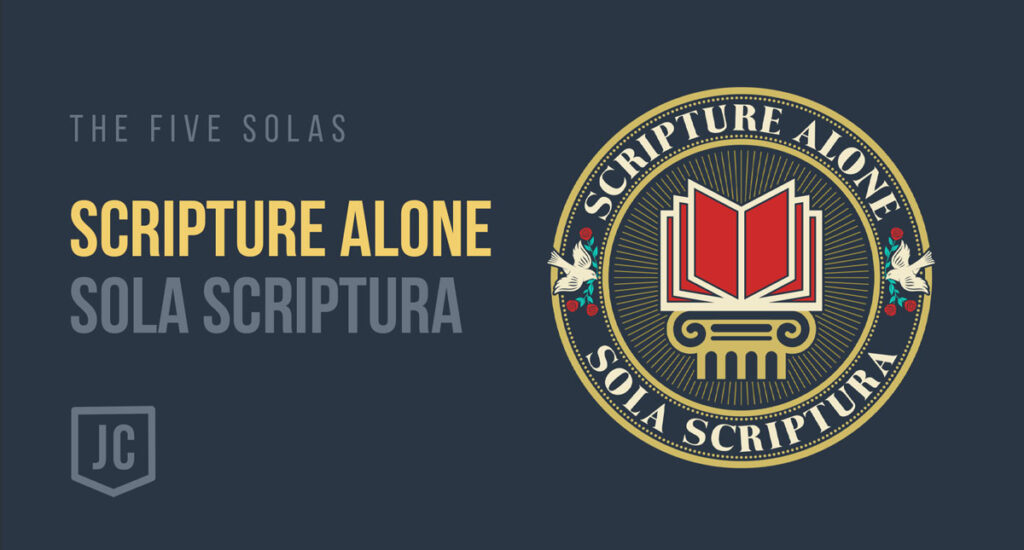
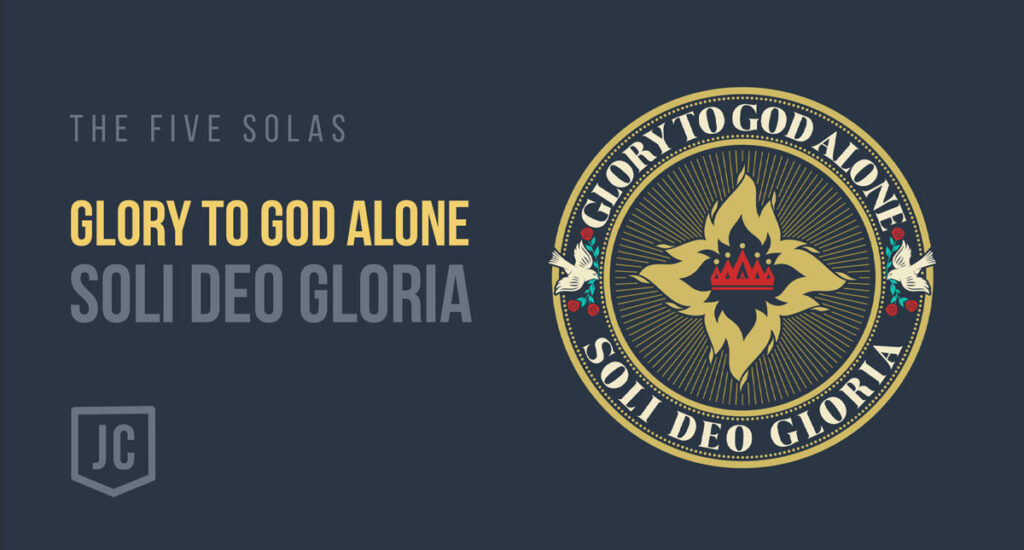
The Five Solas

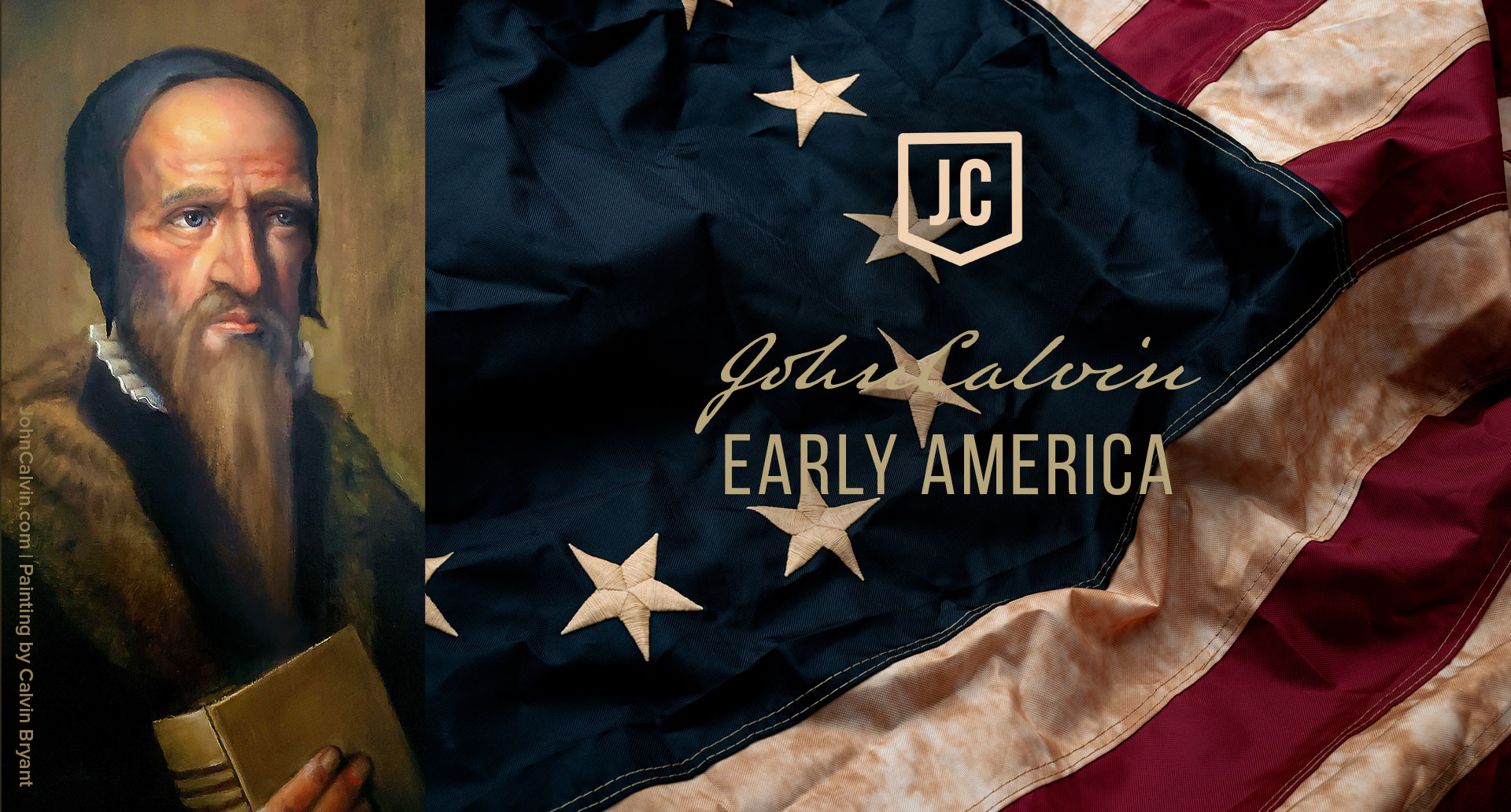
Who Was John Calvin?
There is no name that shines more brightly in the constellation of Evangelical Reformers than French theologian and pastor John Calvin (1509- 1564). The 16th century, which was the incubator of the Protestant Reformation is still sending light waves throughout Christendom. Like a lighthouse on a high and rugged hill, his theology was the guiding light across the turbulent waves of persecution that would follow for the next two hundred years. Here is history that must never be forgotten otherwise the gospel will end up shipwrecked on the sandbar of good works from whence we were rescued.
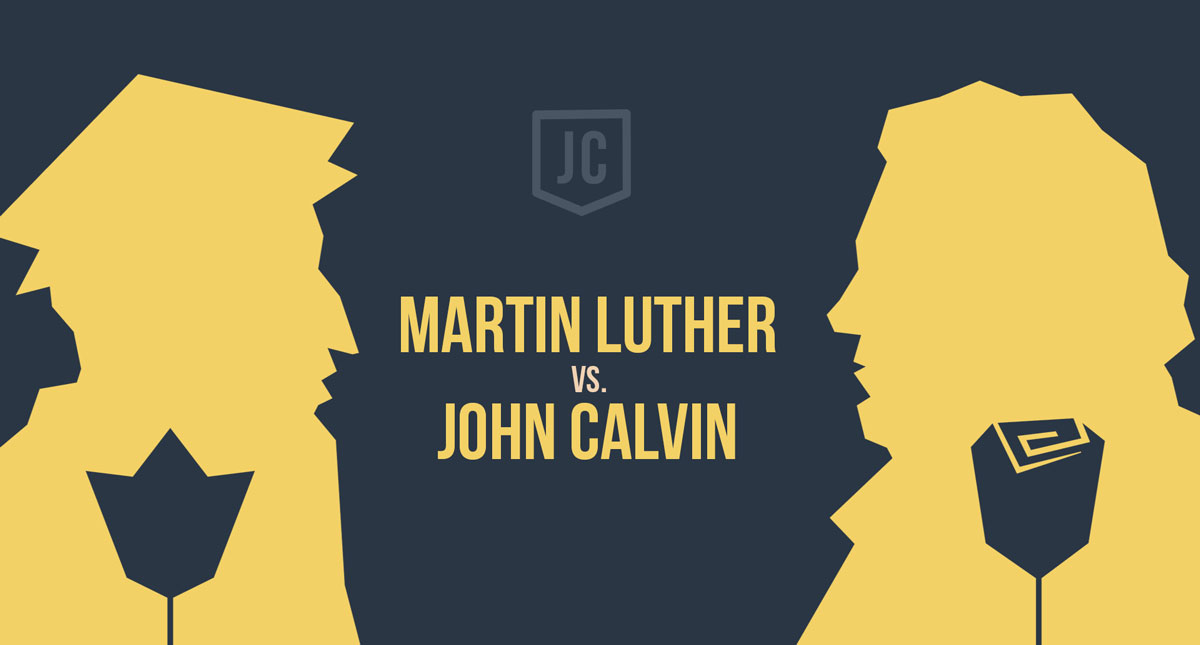
If you could mint a coin symbolizing the Reformation you would have to engrave the mild-mannered John Calvin on one side and the bombastic Martin Luther on the other. Luther, the sound of whose hammer we can still hear reverberate throughout modern-day Christianity was the plowman. He chopped down the dead trees, tore up the idle ground, and hauled away the roots and rocks and noxious weeds. It took such an iron man and his steel plow to clear the landscape. The gentler John Calvin was not a man of the plow and the ax but a man of pen and paper, an academic, theologian, and lawyer who wrote upon men’s hearts and minds the news of salvation by grace alone and not by works. He proved that the pen is mightier than the sword. Like Luther a generation before him, his conscience was held captive by Sola Scriptura, Scripture Alone.
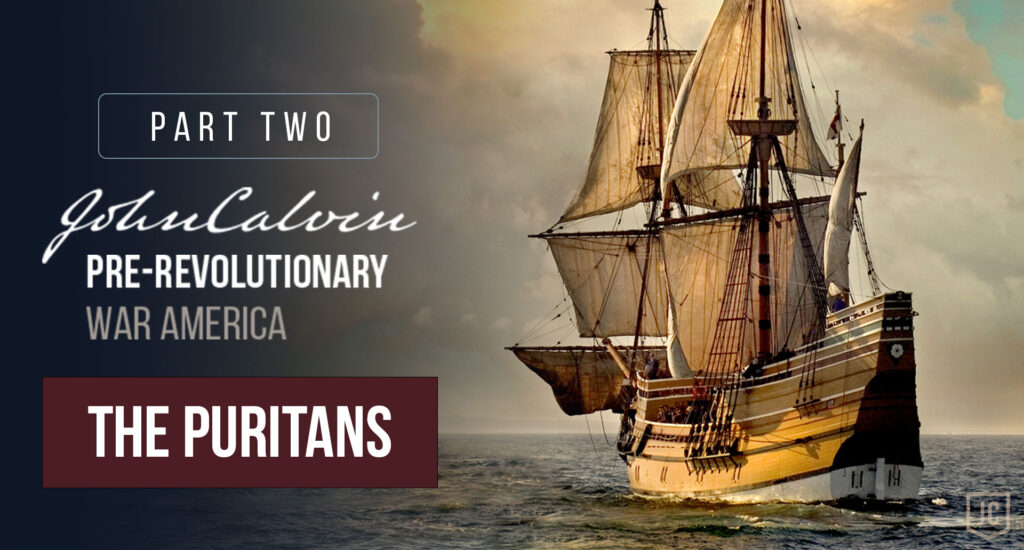
While religious persecution continued raging through Europe after his death, Calvin’s single pen like a single flame, lit a thousand other torches. His commentaries, numerous letters, and sermons started fires of revival burning in Geneva, London, Paris, and Edinburgh. These Reformed Doctrines crossed the Atlantic burning in the hearts of powerful Reformed leaders such as William Brewster & William Bradford. These 1620 Pilgrims boarded a small ship called the Mayflower. With 102 other brave hearts, they braved the dark and turbulent waters of the three-thousand-mile journey to bring the first light of the gospel to the dark shores of the New World.
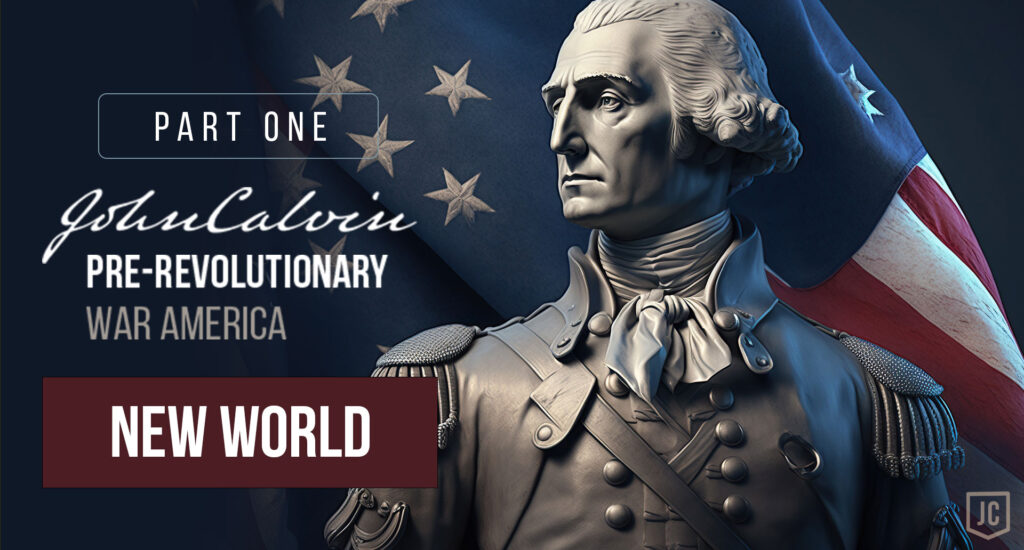
Before the God-fearing Puritans set a foot on this foreign shore to build a fort at Plymouth, they drafted up the Mayflower Compact. It was a democratic compact. On the world stage, it seemed such an insignificant event. But God forced their ship to land in Plymouth, Cape Cod instead of Virginia which would have put them under the thumb of the king of England. The God who controls the wind and the waves moves in mysterious ways. Here strangers in a strange land had their first taste of Independence from the government. In a dark crowded room, in the hull of an insignificant ship, forty-one men voluntarily signed the Mayflower Compact and democratically voted in their first leader John Carver. This compact became the rocking cradle of self-governance.
This is most important because it was the first legal, democratic document to establish self-government in the New World. Here started the first heartbeat of democracy in an uncertain World. This voluntarily signed compact remained active from 1620 to 1691 when Plymouth Colony became part of the Massachusetts Bay Colony. For seventy years they breathed the intoxicating free air of democratic rule.
No power on earth could now take it from their political DNA. In this small dark room in the hull of an insignificant ship, a quiet revolution began. A new nation one-hundred and sixty-six years later would write out its own Declaration of Independence. And it would begin with the same sound of the sound of freedom, “We the people, “ and not with “We the government,” and certainly not with, “I the king.” Boston, a Puritan city on a hill would become a lighthouse to the world.
Ten years after the Pilgrims, in the 1630s others followed. Reformed Puritans from Britain, and Huguenots from France. Presbyterians from Scotland. Separatists, Independents, and nonconformists of every stripe from the Netherlands, Germany Poland, and Bohemia followed in their wake. The Calvinistic influence was here to stay
Reformed leaders like John Harvard birthed Harvard university in 1636, only sixteen years after they walked ashore into this uncivilized land. Yale, Princeton, Brown, and a ton of others followed and in their wake. The Reformed Puritan clergy was highly educated. They brought the first printing press to America and in 1640 printed the first book which was on the Psalms. The average Puritan young person in 17th century America could read and write. Illiteracy was rare amongst these Bible-reading people.
Politicians like William Bradford, and John Winthrop would set the political stage for righteous leadership. Pastors like John Owen and Increase Mather would inspire the people to be a light to the world that could never be put out. Evangelists like Johnathan Edwards and George Whitefield during the 1730s and 1740s would set that desire afire. They would begin the first First Great Awakening that shaped the Constitution and America’s destiny.
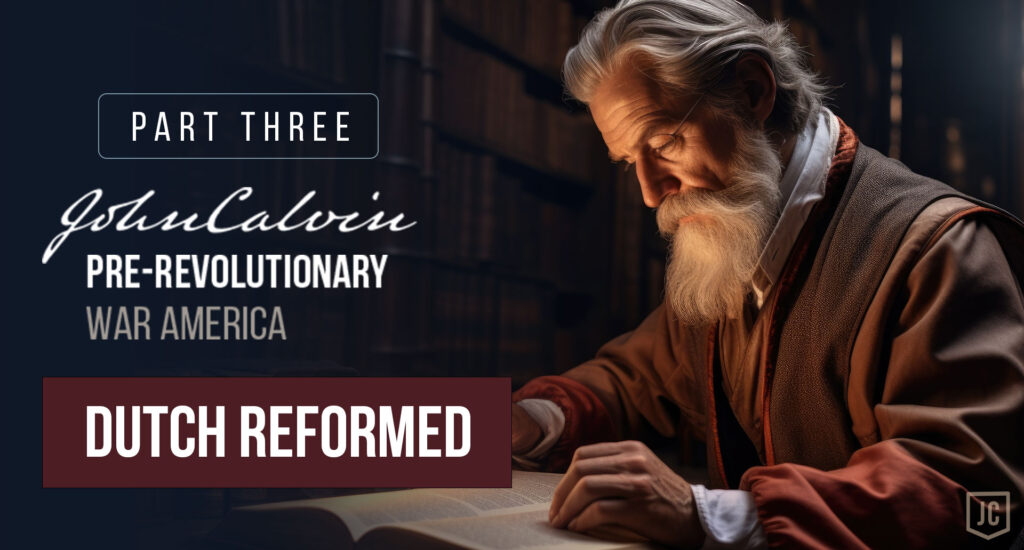
Though I read Calvin’s Institutes of Christian Religion many years ago I clearly remember how amazed I was at his beautiful prose, his deep devotion, fear of God, and most of all, the gospel of grace. It was a life changer. It was as beautiful as the bride hearing the voice of the bridegroom. This is why I was not surprised when reading through Will Durant’s “Story of Civilization” for him to make the profound statement that Calvin’s “Institutes” was “one of the ten books that shook the world.”
The beautiful American mayflower symbolizes the Calvinists well. It is a hardy wildflower that grows in clusters and spreads naturally throughout eastern America. In like manner, Reformed theology spread naturally from Maine to Georgia making America a beautiful place to live freely both religiously and politically.
God give us more John Calvin’s.
Dr. Robert P. Bryant
Soli Deo Gloria, “To God Alone Be the Glory.”
Who Is Jesus?
Who is Jesus? The God-Man
Who is Jesus? The Great I AM
Who is Jesus? Prophet, Priest, King
Who is Jesus? Risen and Reigning Lord
What Is Reformed Theology?

Foundation Truths
The Beginnings
What Is Salvation?

Life of Worship
Reformed Theology is the simple yet life-transforming truth of biblical Christianity
Serving the Lord Jesus is truly an amazing journey, full of happiness, challenges, and adventure. It is a life that teaches us to focus on things of eternal value and to worship the almighty God of the Bible. But the craziness of today’s culture relentlessly promotes a self-centered life that is obsessed with temporal things. It causes people to listen with their eyes and think with their feelings. They exchange the worship of the almighty God for the worship of created things they can see and touch. Pleasure, pride, and self-gratification drive them forward to search for new ways to experience more and more of it.
Look at the current gender identity movement. Clearly, it is a perverse doctrine of Satan. And yet, in a few short years, millions of people, companies, and yes, even churches, now bow before it. The result can be seen in news headlines everywhere: broken people, hyper-sexuality aimed at children, shattered families, a rising epidemic of teenage suicide, and drug addiction. Make no mistake, sin is a brutal killer.
In contrast, Reformed Theology is the vibrant, inspiring, life-giving teaching of the Bible. It is a God-centered theology that places the worship of God as the primary pursuit of human existence. It places our focus first on the doctrine of God, his character, and his nature.
By focusing on God, we discover more about ourselves as men and women created in his image. We are not random, gender-fluid animals. We are human beings–men and women created in the image of God–who are dead in sin and need to be redeemed. The Scriptures teach us that through faith in Jesus alone we can be redeemed from spiritual death (Eph 2:8); we can be born again to live a life that God prepared for us since the beginning of time. This spiritual life can’t be earned by how good you are, purchased with money, or given by anyone but Jesus, our Redeemer.
For by grace you have been saved through faith. And this is not your own doing; it is the gift of God, not a result of works, so that no one may boast. – Eph 2:8-9
How can you expect to dwell with God forever if you so neglect and forsake him here?– Jonathan Edwards
Reformed Theology stands on the foundation of Scripture as God’s inspired Word and divine roadmap for life, salvation, and eternal truth. It considers the teachings of the Bible as the highest authority, higher than the authority of any person, church, or government. This grinds painfully against today’s secular and corrupt religious world, yet it is absolutely true.
At the core of Reformed Theology is the gospel (the story of Jesus’ life, death, and resurrection). At the heart of the gospel, is Jesus Christ. Tracing its roots in the teachings of the early church and the apostles, Reformed Theology teaches that the Christian life is one of saving grace, faith, and God’s sovereign power over all things: a life that glorifies God in everything, every day. How we talk, pray, worship, conduct ourselves, and treat others should all reflect the true teachings of the Bible. We are called to live as lights in a dark world. To live as servants of God and not as servants of self … just like Jesus.
If you’re someone who desires to be transformed from the crazy of this world (like I was), I challenge you to read on. Study the heart-changing doctrines of Reformed Theology and experience the work of the Holy Spirit in your life. Let the pure, simple truth of Jesus’ life, death, and resurrection set you free.
Calvin Bryant
Founder, JohnCalvin.com
Post tenebras lux (after darkness, light)
“We can preach the Gospel of Christ no further than we have experienced the power of it in our own hearts.”
— George Whitefield
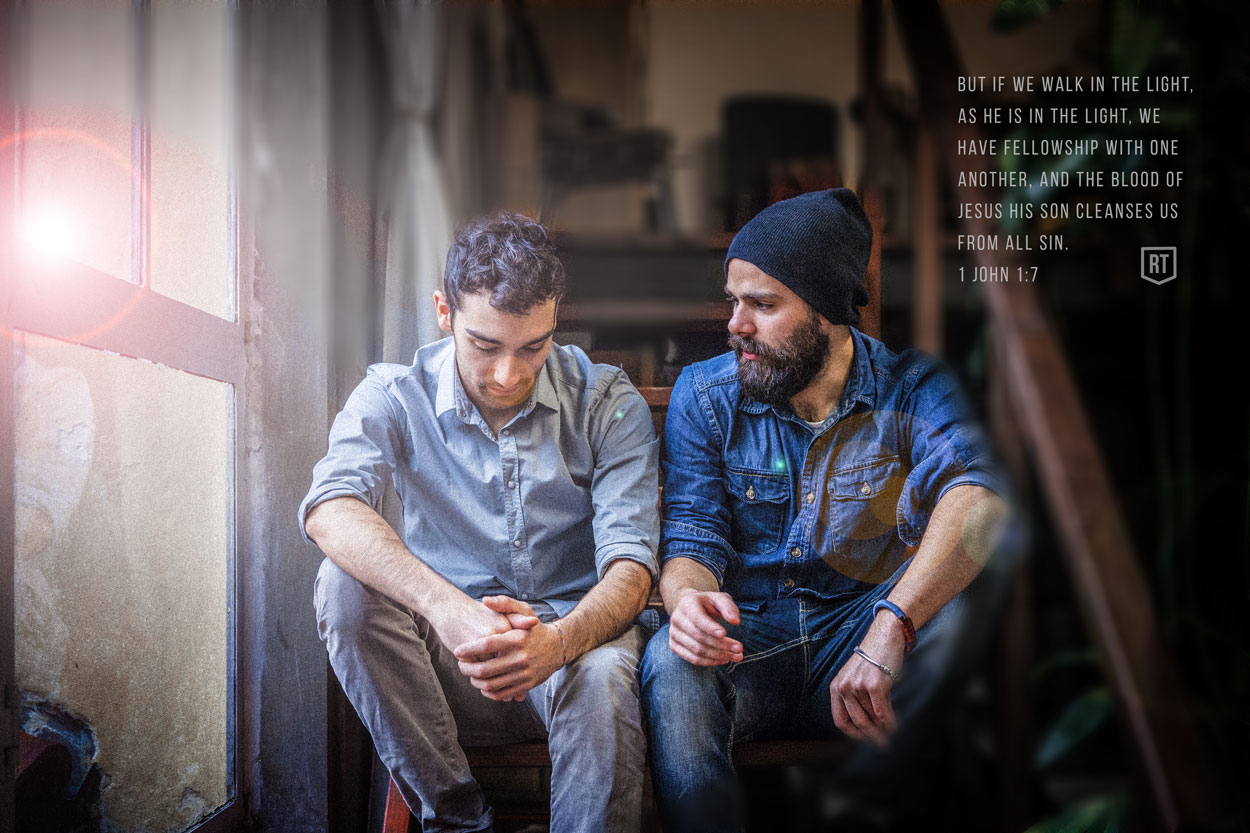
“Faith is like an empty, open hand stretched out towards God, with nothing to offer and everything to receive.”
— John Calvin
Stay Connected
Get the latest messages, thoughts, and inspiration. No charge. No spam. Only faith.